

Real Richness 2026
What 2,000 Australians told us about caravan and camping holidays, and what those holidays give back.
Research by the Caravan Industry Association of Australia. Survey conducted in January 2026.
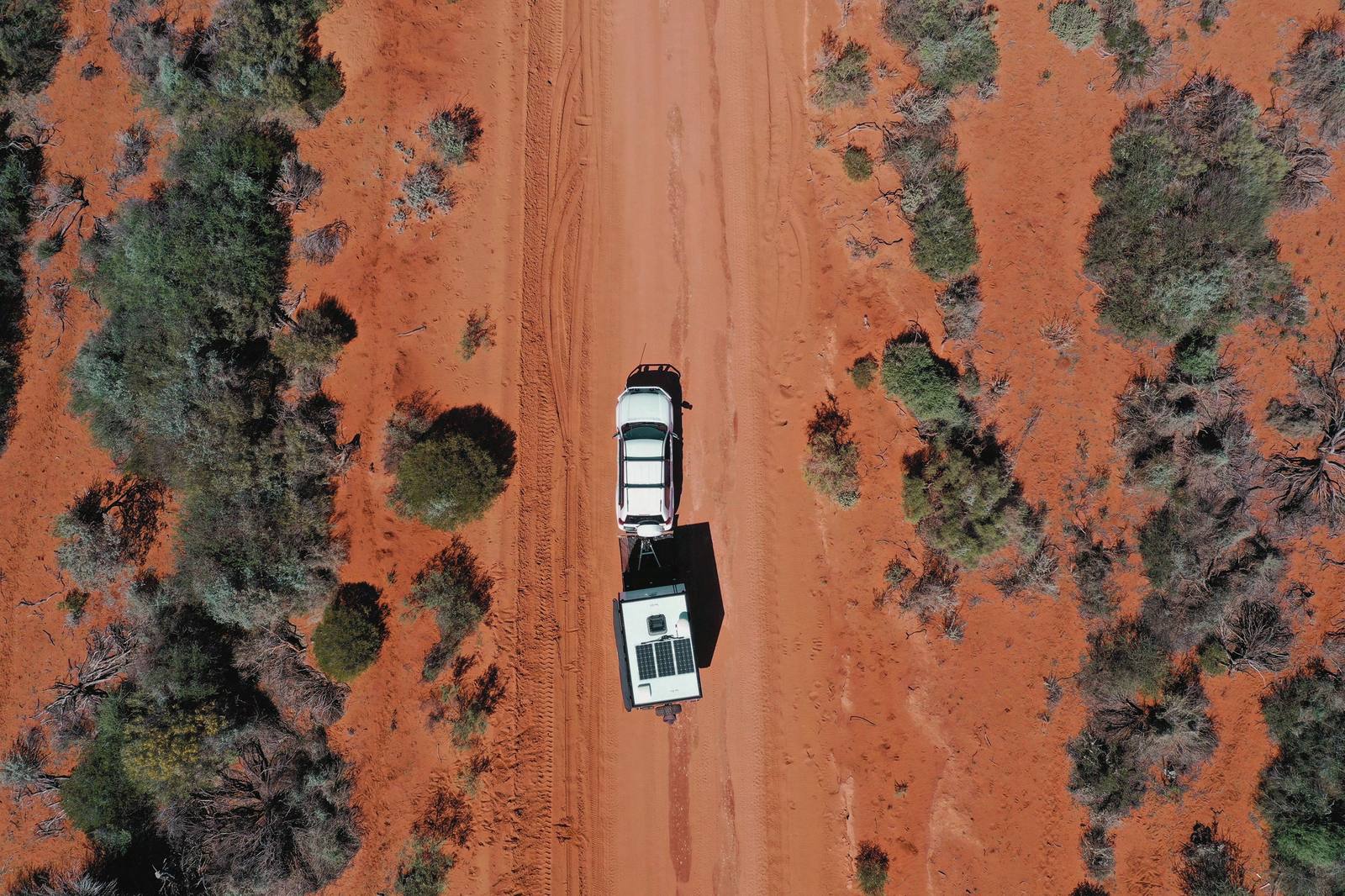
Van set up. Beautiful spot on the river, swimming hole 10 meters to the side and back from the van. Other people around. My children swimming in the water hole with a good jump rock. Cooking an awesome camp oven roast. Life is good.Robert, Queensland
Robert is one of 2,000 Australians who took part in a survey for the Caravan Industry Association of Australia in January 2026. Half had been camping in the past three years. Half had not.
We asked both groups what camping means to them, how it makes them feel and what they think it does for children. Their answers describe a kind of wealth that never appears on a bank statement: time, calm, memories and each other.
The report calls it real richness. This is what it looks like in numbers, and in the words of the people who live it.
The feeling
Campers were shown 18 statements about camping. A majority agreed with every one.
Bars are drawn on a scale of 0 to 100 per cent. Source: Real Richness online survey, 2,000 Australians, January 2026, Caravan Industry Association of Australia.
Agreement ranges from 57 per cent to 93 per cent. Fourteen of the 18 statements have the support of at least three in four campers.
93%
The statement campers agree with most is that camping generates happy memories. Almost as many, 92 per cent, say it can make you happier, and 87 per cent say it is fun for all the family.
Nine in ten say camping recharges your batteries (91 per cent) and relieves stress (90 per cent). Most also say it lets them gather their thoughts (83 per cent) and feel grounded (79 per cent).
Camping makes 91 per cent of campers appreciate nature more. The same share, 87 per cent, say it puts them more in touch with nature and that it brings families closer together.
Four in five campers say camping makes them feel healthier. Three in four say it can make you fitter.
The lowest-ranked statements are about what happens after the trip. Even so, 60 per cent say camping makes them more productive day to day and 57 per cent say it makes them feel more creative.
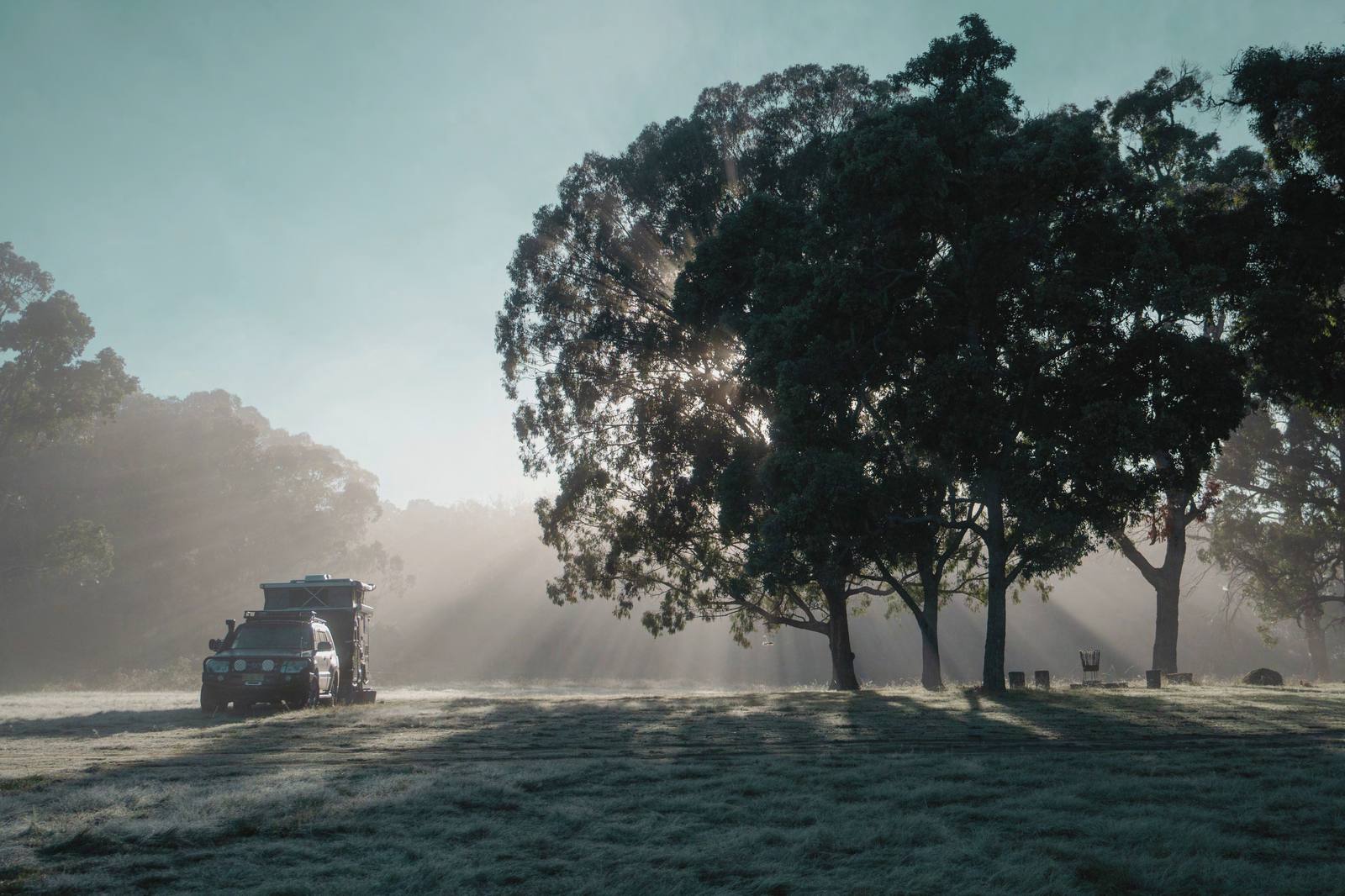
Camping always grounds me and makes me feel at peace.Tayla, Western Australia
The reasons
We asked campers to name their three main reasons for going. Nature came first, chosen by just over half. Exploring somewhere new and the chance to relax were close behind.
Share of campers. Each person could choose three reasons, so the figures add to more than 100 per cent.
Source: Real Richness online survey, 2,000 Australians, January 2026, Caravan Industry Association of Australia.
For some people it is the sound of waves and the light at dawn. For others it is the road to a town they have never seen. For many it is simply a pause: no screens, no schedule, and time for a long conversation around the fire.
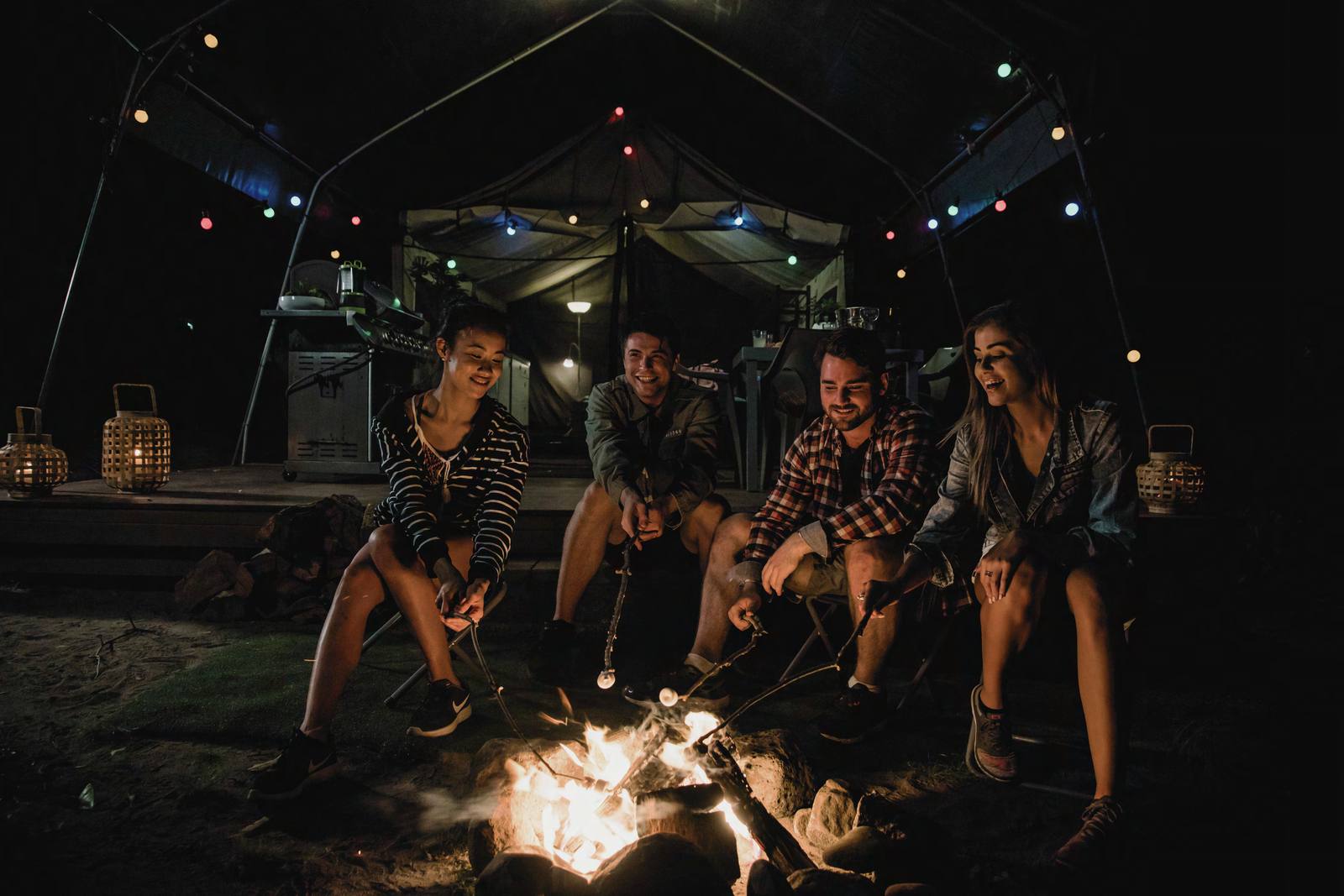
Camping brings the best out in most people and you can tell by the way everyone smiles and greets each other. It makes friends of new 'neighbours'. The memories made camping remain with you forever.Peter, New South Wales
The evidence
The feelings campers describe line up with a growing body of independent academic research. One review cited in the report examined more than 1,100 academic papers. It found that campers consistently report higher psychological wellbeing, lower stress, more happiness and a deeper sense of connection to the natural world.
Time in natural environments is associated with lower blood pressure, improved mood, better sleep and reduced anxiety.
Camping combines several of those ingredients at once: sustained time outdoors, a slower pace, simpler routines and a break from the digital world.
The research also points to social benefits. Shared time outdoors, away from screens and schedules, gives families and friends room for conversation and cooperation. For children, studies link camping with independence, resilience and confidence.
A note on the evidence: most of these studies show that time in nature and better wellbeing go together. They do not prove that one causes the other for every person. The report draws on 13 independent academic sources, which are listed in full in Real Richness 2026.
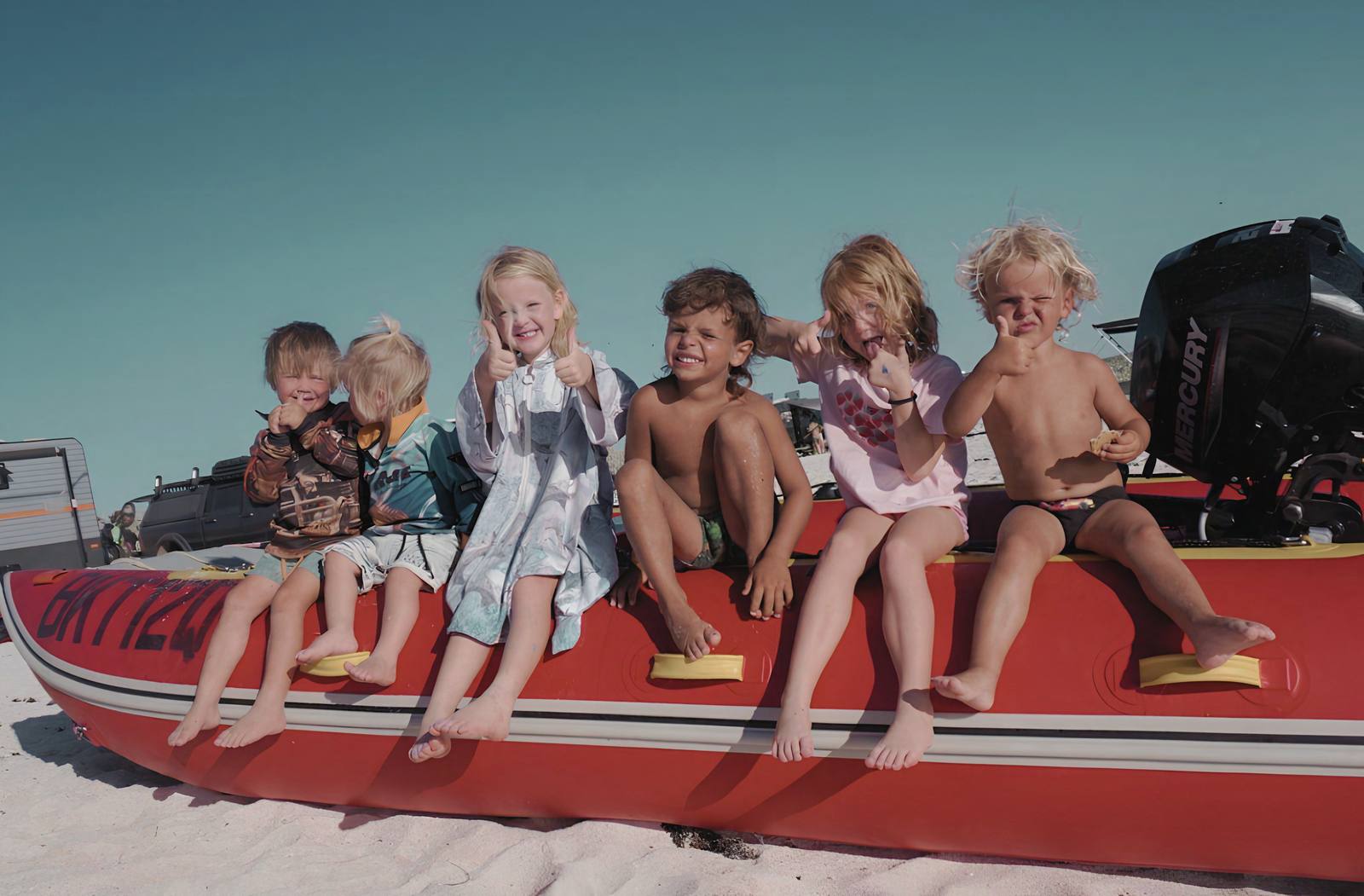
Through our children's eyes, we experience the magic of nature and learn to appreciate the simple, beautiful moments, like a kangaroo hopping past or a sunset lighting up the sky.Yolandi, Queensland
Image courtesy of the Burney family (Bline.Aus)
The children
This is where campers and non-campers agree most.
Source: Real Richness online survey, 2,000 Australians, January 2026, Caravan Industry Association of Australia.
We asked everyone, campers or not, what camping does for children. At least half of each group agreed with every statement.
Four in five non-campers agree that camping lets children learn about the environment, and 77 per cent agree it teaches life skills. Among campers, both figures are above 90 per cent.
The two groups are further apart here. Campers are 24 percentage points more likely to say camping teaches children to engage socially, and 26 points more likely to say it improves their health.
Three in four campers say camping should be part of the school curriculum. Half of non-campers agree.
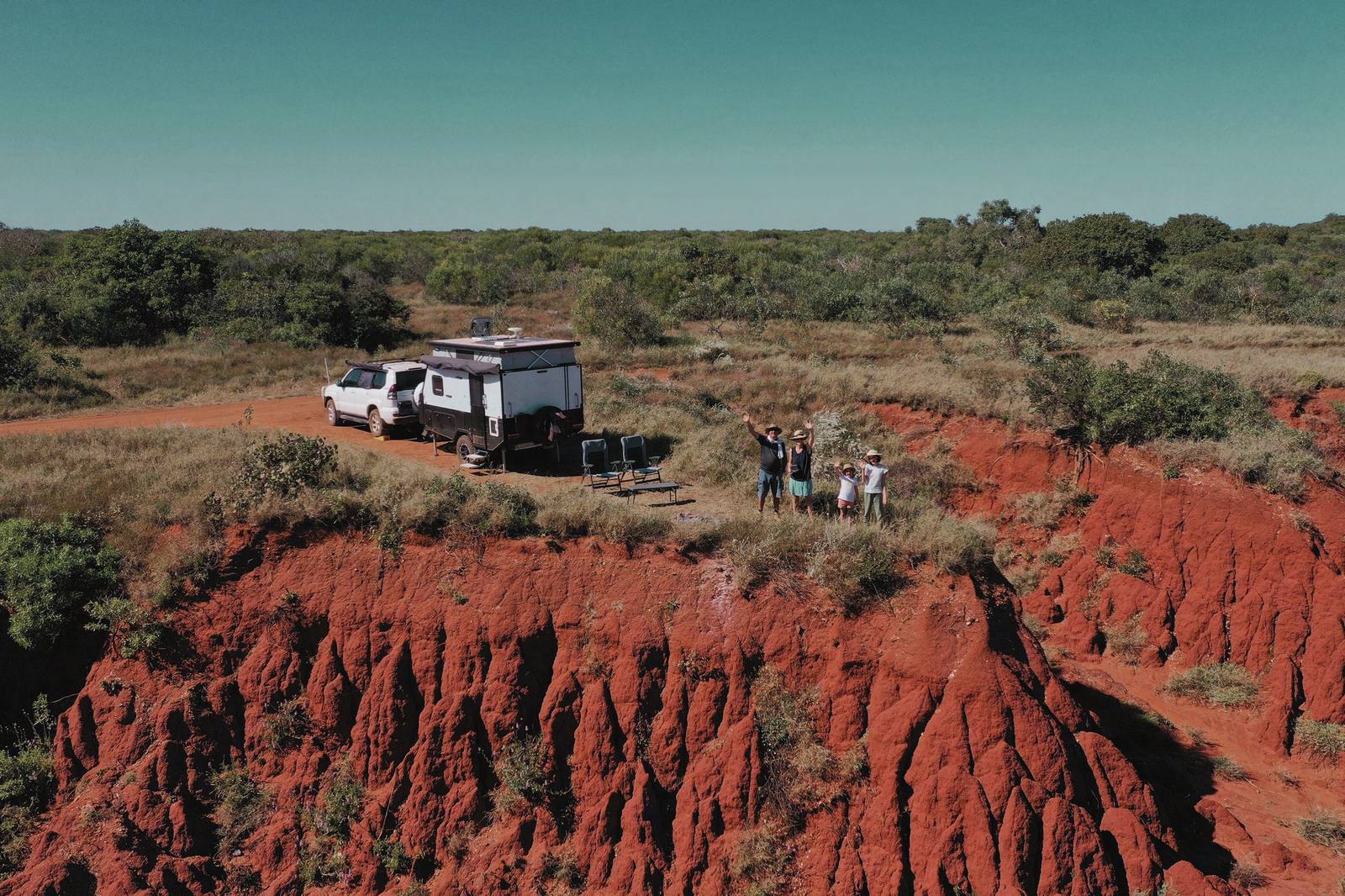
Camping isn't just a getaway for us; it's where some of our best memories are made and where my kids are learning skills they'll carry for life.Sera, Victoria
The view from outside
People who camp and people who do not picture quite different holidays.
Source: Real Richness online survey, 2,000 Australians, January 2026, Caravan Industry Association of Australia.
We put eight common ideas about camping to both groups. On some they are close. On others they are a long way apart.
Most campers say camping is a great people leveller (74 per cent) and accessible to everyone regardless of income (71 per cent). More than half of non-campers agree with both. Six in ten non-campers also see it as a cheap holiday when money is tight.
56% and 22%
More than half of non-campers think camping is only enjoyable if you are 'outdoorsy'. About one in five campers think so. At 34 percentage points, it is the widest gap in the survey.
Non-campers are more than three times as likely as campers to say camping involves poor facilities or limited amenities (37 per cent and 11 per cent). They are about twice as likely to see it as something people do when they cannot afford other holidays.
Hardly anyone thinks so. Three per cent of campers and 11 per cent of non-campers agree that camping is only for the older generation.
The people who have been recently describe a more open and comfortable holiday than the people who have not. The survey cannot tell us whether camping changes those views, or whether people who already hold them are the ones who go.
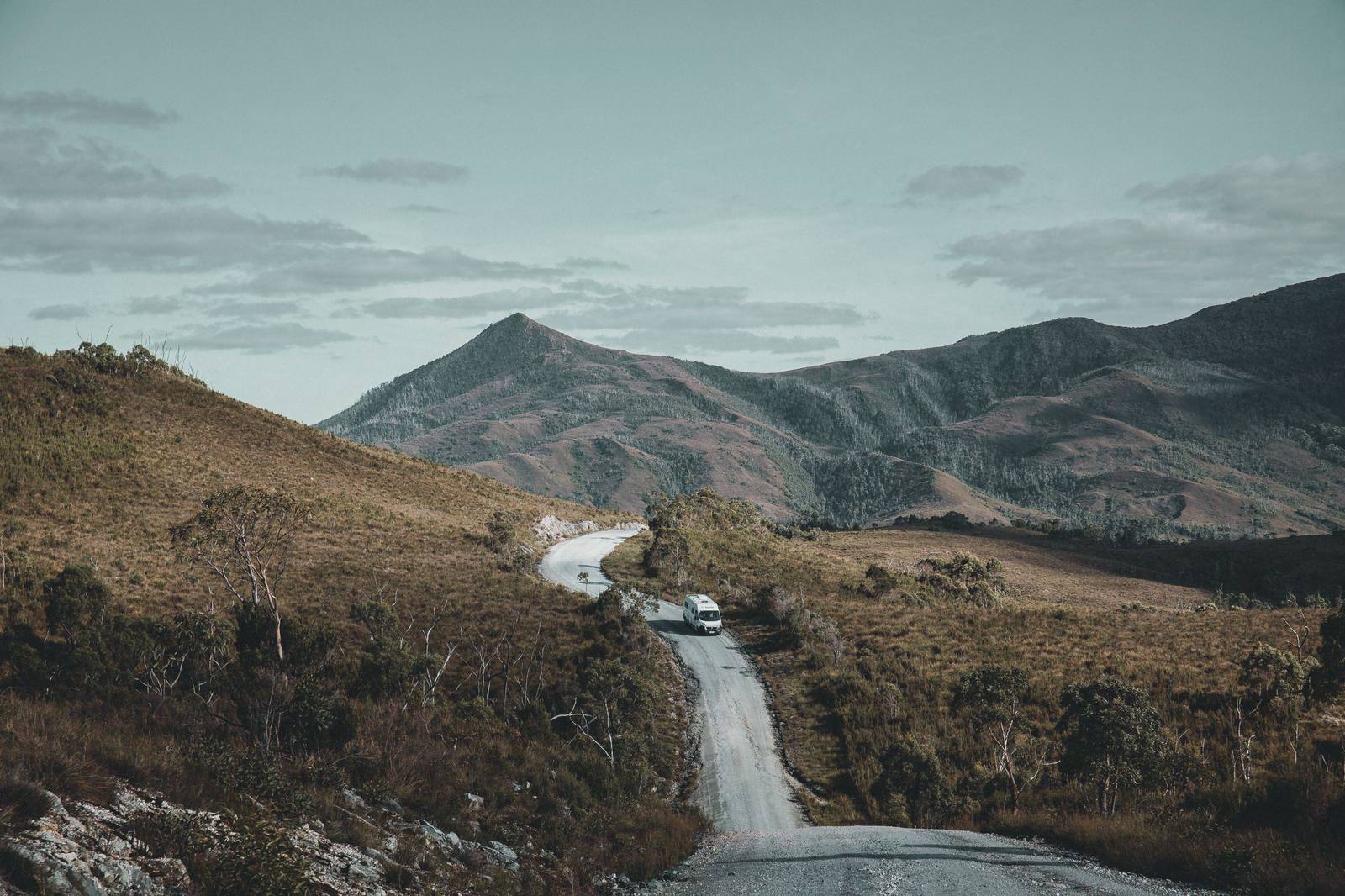
The simplicity of camping in the bush is wonderful, it gives time to appreciate the simple things in life and reconnect with those around you.Joanne, Queensland
Tasmania. Image courtesy of Tourism Tasmania
The open door
We asked non-campers what has kept them away. The most common answer is a preference for other kinds of holiday. Comfort is second.
Share of non-campers.
Source: Real Richness online survey, 2,000 Australians, January 2026, Caravan Industry Association of Australia.
Two of these reasons are practical. About one in four non-campers say they do not have the equipment, and 16 per cent say they do not know enough about camping holidays.
Both have answers. Caravans, campervans and camping gear can be hired. Caravan parks across Australia offer powered sites, ensuite facilities, pools and playgrounds. And camping covers a wide range, from a tent in a national park to glamping to a fully equipped motorhome.
The dollars
Real richness is the part that cannot be counted in dollars. The part that can be counted is large, and most trips are taken in regional Australia.
Source: Caravan Industry Association of Australia, Tourism Research Australia and the Bureau of Infrastructure and Transport Research Economics, as published in Real Richness 2026. The report does not state the reference year for each figure.
In their own words
Every day is a new adventure
That you can slow down in life and enjoy the simpler things
A great way to disconnect from digital world
Be tolerant of others, help when needed
How to just sit in nature without the need for stimulation or entertainment
good values and great family memories
I just love waking up in a different location
To be grateful for and protect our environment
Independence and self sufficiency
Never leave your rubbish behind
Bringing people together. Team work
Freedom and relaxation. Take time to relax and do nothing
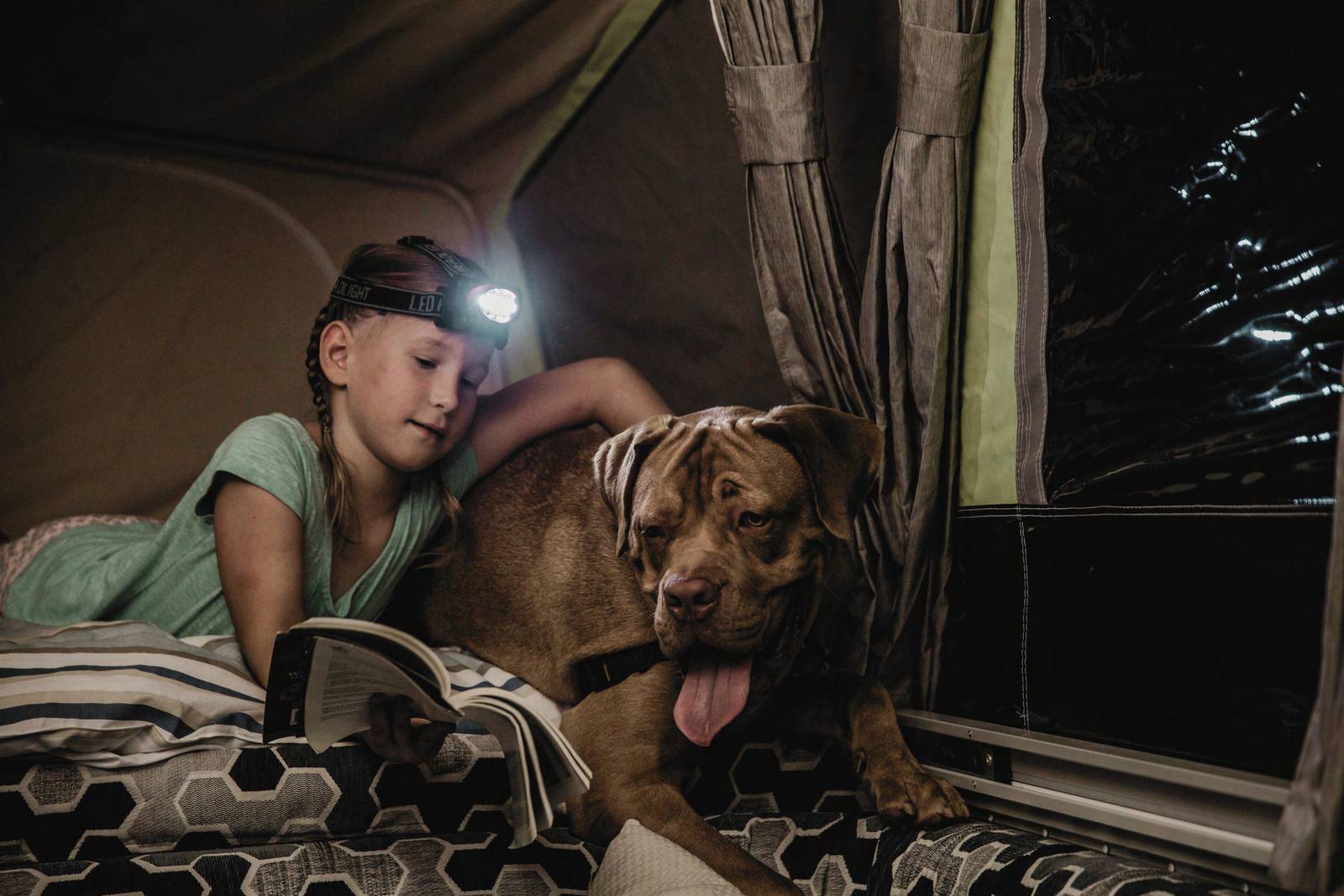
We take our dog camping. He loves the great outdoors in the bush. As soon as we hitch the caravan up, he knows we are going somewhere exciting.Nadine, Victoria
Method
The Real Richness survey was conducted online in January 2026 with 2,000 Australians: 1,000 campers and 1,000 non-campers. Campers had camped at least once in the past three years. Non-campers had not camped since 2023. All camper comments are genuine and appear as written.
Things to keep in mind. The camper group is older than the non-camper group, so some differences between the two may reflect age as well as camping experience. The results show what people believe and report about camping. They do not measure health or wellbeing directly. The two groups were recruited in equal numbers for comparison, so combined figures do not describe the Australian population as a whole. Some demographic figures do not add to 100 per cent because of rounding. The report does not publish margins of error.
Questions about the research: [email protected]
The full report
This story covers the headlines. The full report sets out the method, the complete results and what they mean for operators, and it sits behind the member login.
Sign in to read the report Become a contributor
Contributors to Caravan Industry Association of Australia receive the full research program, including the monthly accommodation, visitor economy and guest satisfaction reporting.
Based on Real Richness 2026: Exploring the wellness benefits of caravan and camping in Australia.
© 2026 Caravan Industry Association of Australia. Photographs are from the report and are used with permission.
