Rolling Risks in Caravan Parks: Keeping Kids Safe on Wheels
16 October 2026
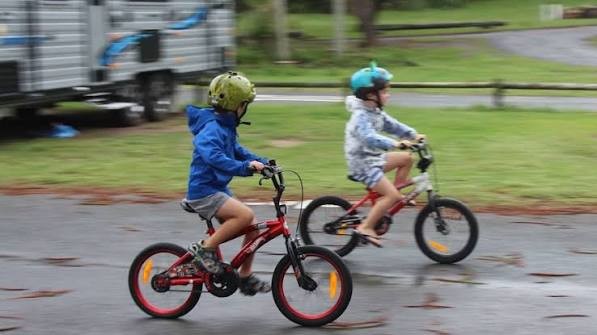
In caravan holiday parks across Australia, kids riding bikes, scooters, skateboards and pedal karts are a familiar sight. Whilst providing heaps of fun, these activities come with a significant risk of injury if not properly managed. For park operators, ensuring a safe environment for kids means putting in place proactive measures to minimise the chance of accidents on wheels.
Understanding the Risk Factors
Wheeled activities carry several inherent risks:
Collisions with vehicles entering or exiting sites
Crashes between children riding at different speeds or on mixed equipment
Falls due to uneven surfaces, obstacles or poor lighting
Lack of protective gear such as helmets and closed-toe shoes
Speeding or reckless riding in congested areas
These risks are magnified in high-traffic periods such as school holidays, when large volumes of guests mean more people and more movement within the park.
Safety Procedures for Park Operators
To effectively manage these risks, park operators should consider implementing the following procedures:
Designated Riding Zones
Create clear, designated paths or zones for wheeled activities, away from vehicle traffic and pedestrian-heavy areas like camp kitchens and amenities blocks.
For pedal karts, consider establishing a supervised or enclosed track to avoid mixing with general traffic.
Speed Control and Signage
Enforce a low speed limit throughout the park (e.g. 10 km/h), applying to all vehicles and riders.
Use bold, visual signage throughout the park that appeals to both kids and adults.
Paint speed limit signs directly on roadways and install speed humps at strategic locations.
Helmet and Gear Enforcement
Promote the use of helmets and appropriate safety gear for all riders.
Consider offering helmet hire or low-cost helmets for sale at reception.
Encourage the use of closed-toe shoes and discourage barefoot or thonged riding.
Surface and Lighting Maintenance
Conduct regular inspections of roadways and riding paths for potholes, loose gravel or other hazards.
Ensure all paths are well lit at night, especially around curves or intersections.
Traffic Awareness Education
Provide a Child Safety and Riding Etiquette flyer or digital guide at check-in.
Use social media, park apps or noticeboards to post safety reminders during peak periods.
Consider running short safety workshops or ‘Rider Rules’ briefings during school holidays.
Remind parents that they should be supervising young children at all times.
Staff Vigilance and Incident Reporting
Train park staff to monitor high-use areas and intervene if unsafe riding is observed.
Establish a clear incident reporting system to record incidents and use the data to improve safety practices.
Creating a Safer Riding Culture
By fostering a riding environment that balances freedom with responsibility, park operators not only reduce the risk of injuries: they create a safer, more enjoyable experience for all guests. With a combination of infrastructure, education and awareness, caravan holiday parks can allow kids to enjoy life on wheels while keeping safety rolling right alongside them.
To learn more about risk management and the caravan Holiday Park accreditation program contact Mark Shipton - Accreditation Programs Manager - [email protected]