Industrial 3D printing: A new fix for old supply chain problems
3D printing has moved well past prototypes and knick-knacks.
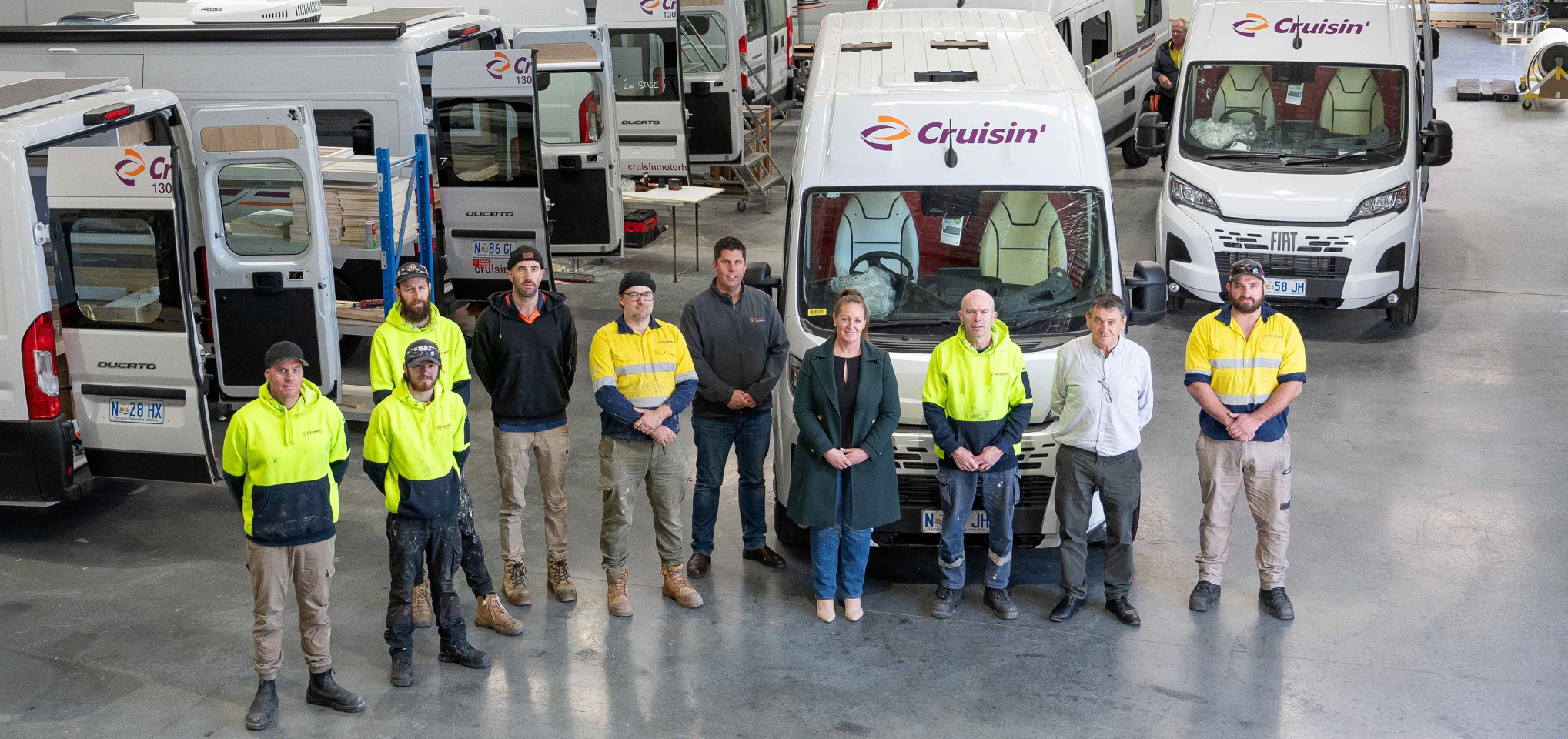
Caravan manufacturers are now printing structural, UV-stable parts that survive Australian conditions, cut lead times from weeks to hours and kill off warehouses full of spare parts.
Luis Zuniga, Product Manager at Alfex CNC Australia, explains how the technology is reshaping production lines and where it’s headed next.
Tell us a bit about your business…
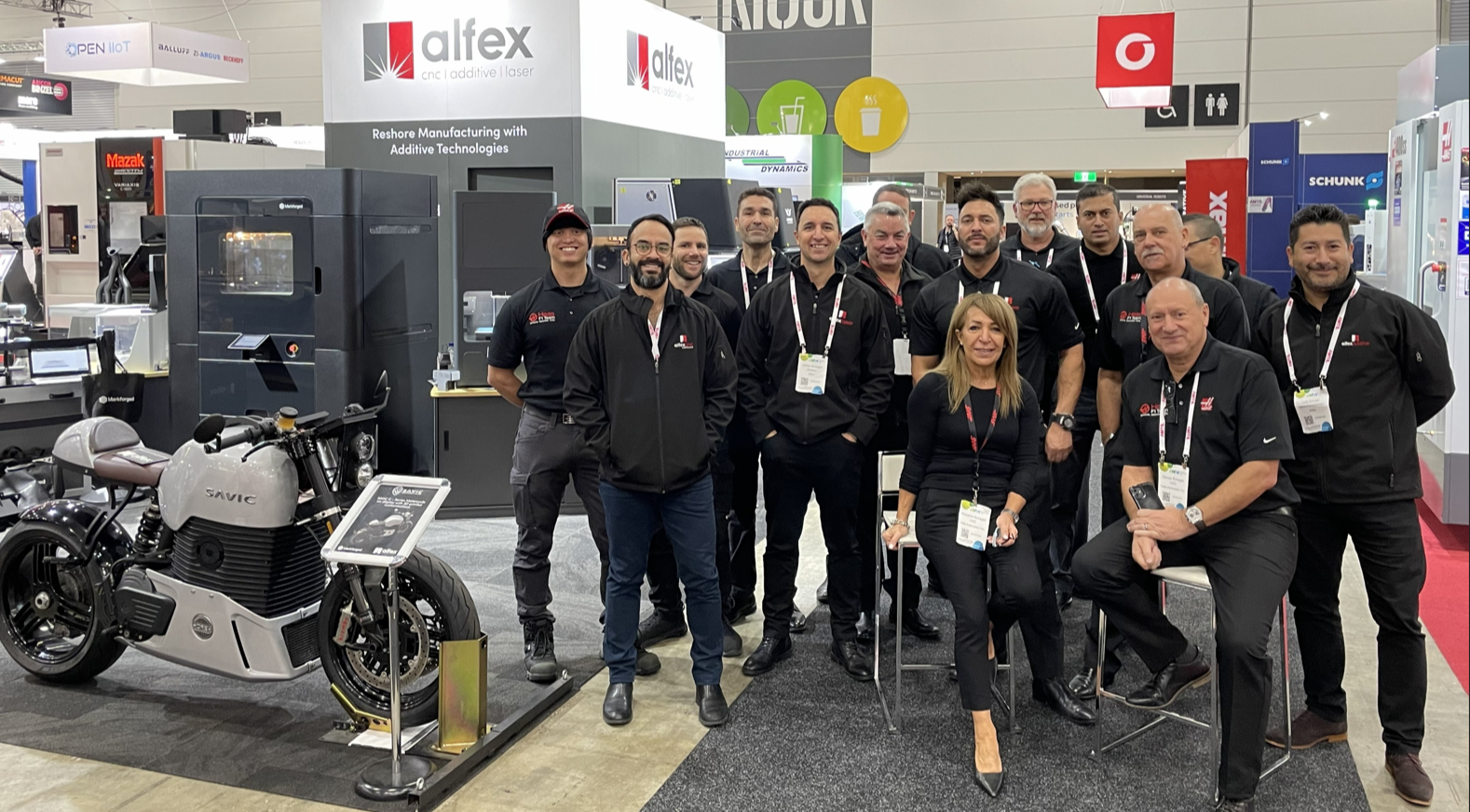
Luis Zuniga (LZ): Alfex CNC Australia is a leading provider of world-class manufacturing technologies. We specialise in distributing and supporting highly advanced machinery across three core divisions.
Alfex Additive covers industrial 3D printers – including our role as a premier partner for BigRep in Australia – offering composite, carbon fibre and large-format 3D printing solutions.
Alfex Laser covers laser engraving, cutting and marking systems such as Epilog, Lotus and Kern Laser Systems.
And Haas Factory Outlet Australia is the exclusive Australian distributor for Haas Automation, the largest machine tool builder in the United States.
Between them, we provide the hardware, training and engineering expertise businesses need to move from manual fabrication to precision digital manufacturing.
Interesting. How did you end up supplying the caravan industry?
LZ: The caravan and RV industry is a powerhouse, but it’s historically relied on low-volume, highly manual production, meaning long lead times and a reliance on offshore supply chains. Our entry into the sector came from manufacturers looking to modernise their factory floors and solve real production bottlenecks.
Major players first came to us seeking materials tough enough for the Australian environment, and industrial 3D printing let them print end-use, production-grade components in engineering plastics instead of relying on slow, expensive injection moulds or heavy welded metal brackets.
Caravan building is also a high-mix, low-volume business – a manufacturer might build only 50 to 100 units of a layout before it’s updated, which makes traditional injection tooling financially unviable. Our laser cutters handle rapid prototyping of acrylic, wood and gasket materials, while our 3D printers produce structurally sound, UV-stable parts in materials like ASA and PETG, with no tooling cost involved.
Let’s talk practical terms. What efficiency gains does 3D printing unlock for caravan manufacturers and repairers?
LZ: It’s about solving problems that are structural to the caravan industry – low-to-medium production volumes, specific geometric constraints, reliance on third-party supply chains, and the ongoing challenge of legacy spare parts.
It allows consolidation of complex assemblies into a single printed component, using internal lattice structures that are rigid where needed but lightweight elsewhere – removing assembly labour and potential failure points.
It also allows a kind of reverse engineering for obsolete parts. A repairer can 3D-scan an intact mirrored part, or a broken one, digitally repair the file and print a like-for-like replacement within 24 to 48 hours. And it allows extreme customisation, since altering a CAD file between one caravan and the next carries no tooling penalty.
The flow-on benefits stem from that. Lead times drop – a factory that runs out of a wiring loom clip or bathroom trim piece can print a batch overnight rather than wait weeks on an overseas injection-moulding supplier.
It also supports a shift to digital inventory. Instead of warehousing 50 units each of 200 different clips, caps and hinges in case an older model needs a part, a business can hold a folder of CAD files and print only what’s needed, when it’s needed.
What are some common misconceptions people in the caravan industry have about 3D printing, and how do they stack up in reality?
LZ: The industry is modernising fast but there’s still some hesitation around additive manufacturing, often based on an outdated view of what it can do.
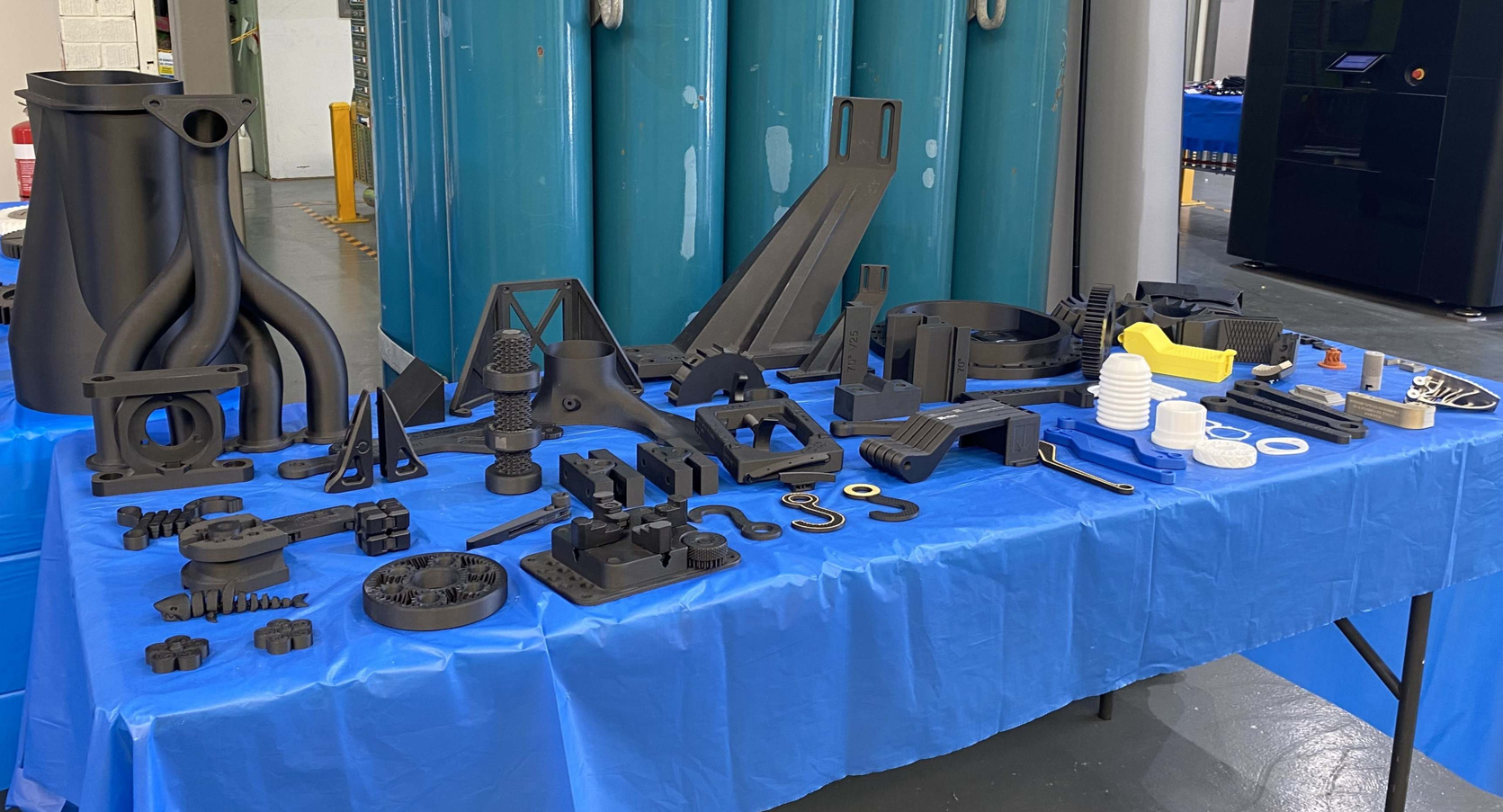
One common misconception is that printed parts are too weak for everyday use. In reality, industrial additive manufacturing now uses engineering-grade composites – carbon fibre reinforced nylon, UV and weather-resistant ASA and other high-strength polymers – which, printed with the right infill and orientation, can match or exceed the strength of injection-moulded plastic.
Another view is that 3D printing is only useful for visual prototyping. It’s now well suited to end-use functional production too. Custom brackets, dash fascias, plumbing manifolds and end-caps can all be produced in short runs with no tooling investment.
Some assume additive manufacturing is too slow for production. It can’t compete with injection moulding on runs of thousands of identical parts, but for low-to-medium volume or customised components it’s fast – printing 20 modified wiring loom clips or a bespoke plumbing bracket overnight avoids weeks of supplier lead time and supports “just-in-time” manufacturing that cuts down on warehoused spare parts.
So, will 3D printing eventually replace traditional manufacturing altogether?
LZ: Put simply, no. CNC routing of large composite wall panels, for example, remains far better for speed, cost and scale at high volumes.
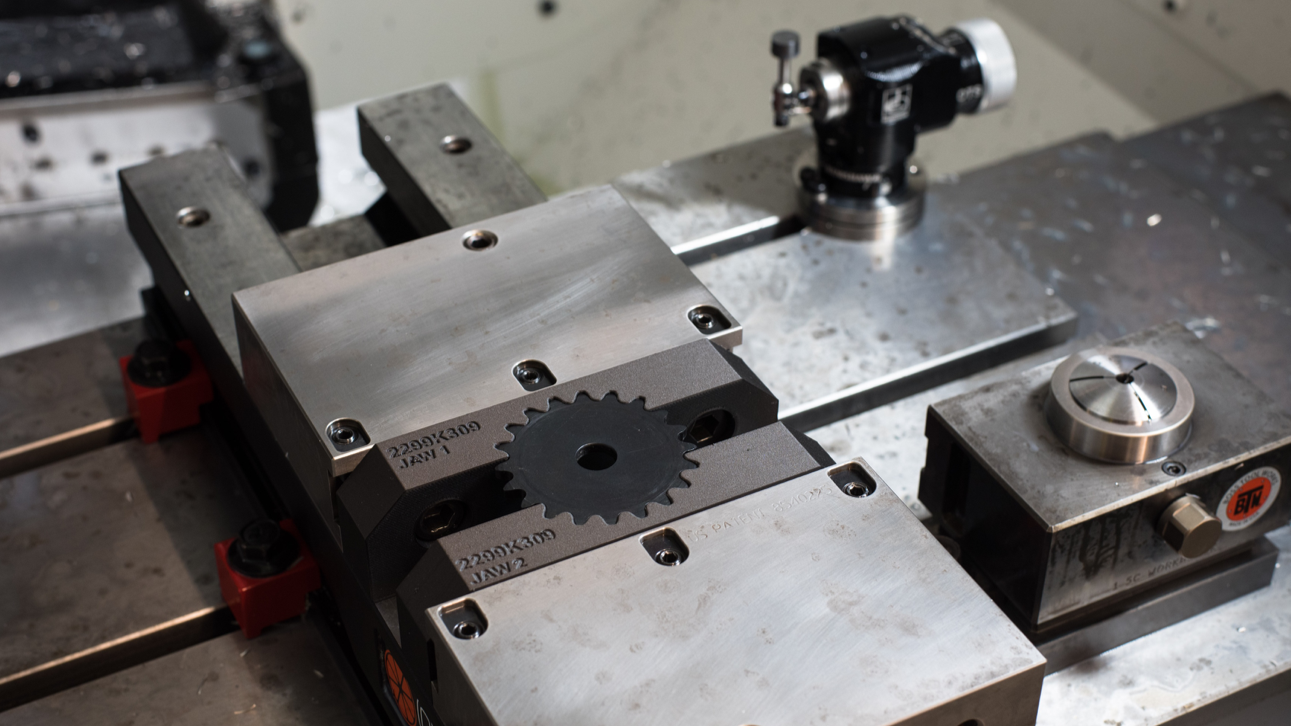
The real value is in hybrid workflows, where 3D printing handles complex interior trim, dashboard clusters, or jigs and fixtures that make the rest of the line faster and safer.
With that in mind, where do you see 3D printing heading for the caravan industry over the next few years?
LZ: There are a few developments to watch.
Large-format additive manufacturing (LFAM) is starting to be used for the moulds and plugs behind fibreglass panels, composite canopies and front and rear noses, rather than tiny brackets.
Recycled and circular economy materials are also gaining ground, with camper components – and even entire micro-camper bodies – starting to be printed from recycled ocean plastics or PET bottles mixed with glass fibre. As sustainability becomes more of a selling point, this has some real potential.
We also expect to see more hyper-local repair networks, with print-on-demand replacing the long wait for an insurance part to ship from overseas. Major brands may license certified CAD files out to regional repair hubs, so a local shop can download the file and print an authorised, UV-stable replacement on-site – think a wheel arch or locker door frame.
 Copyright © 2023